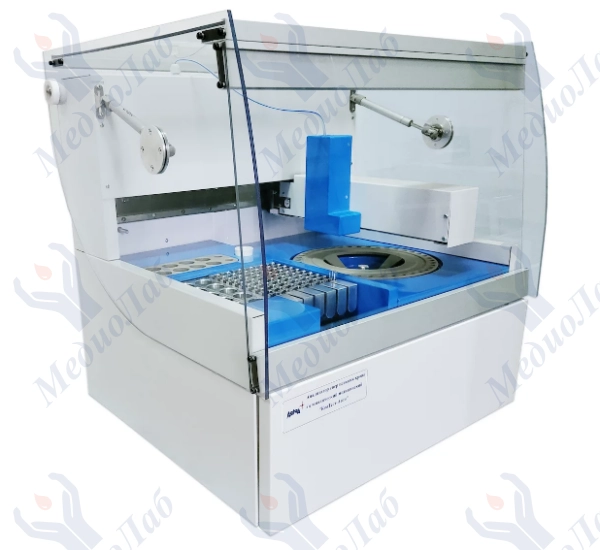
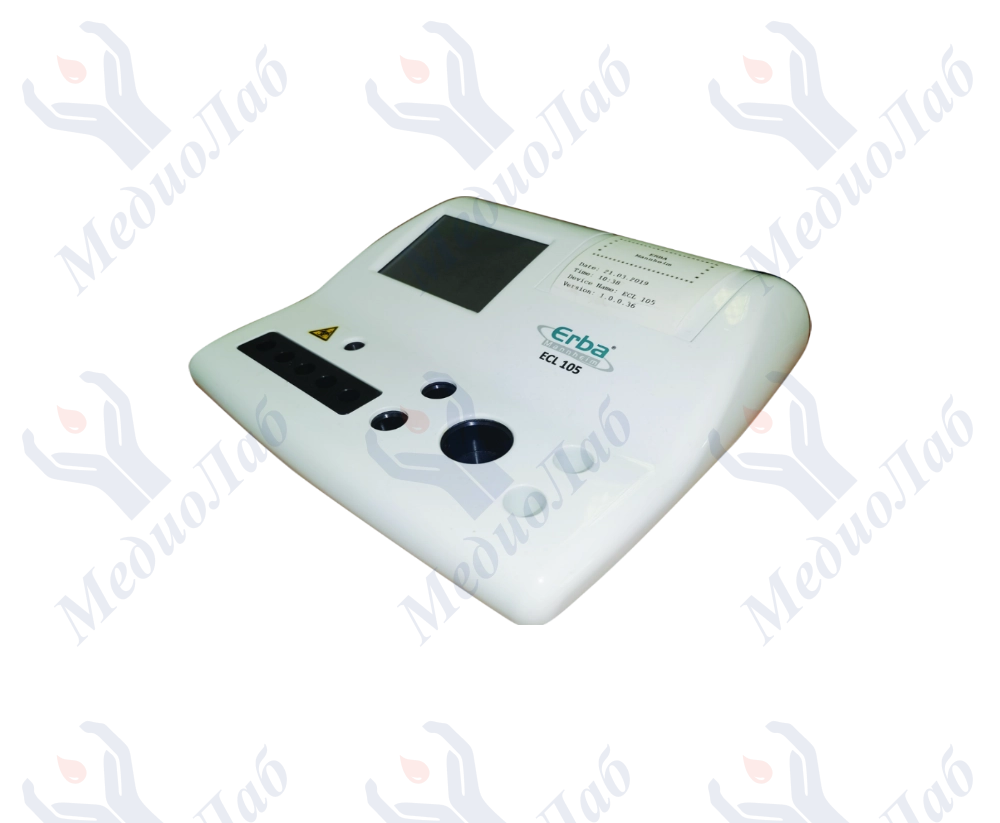
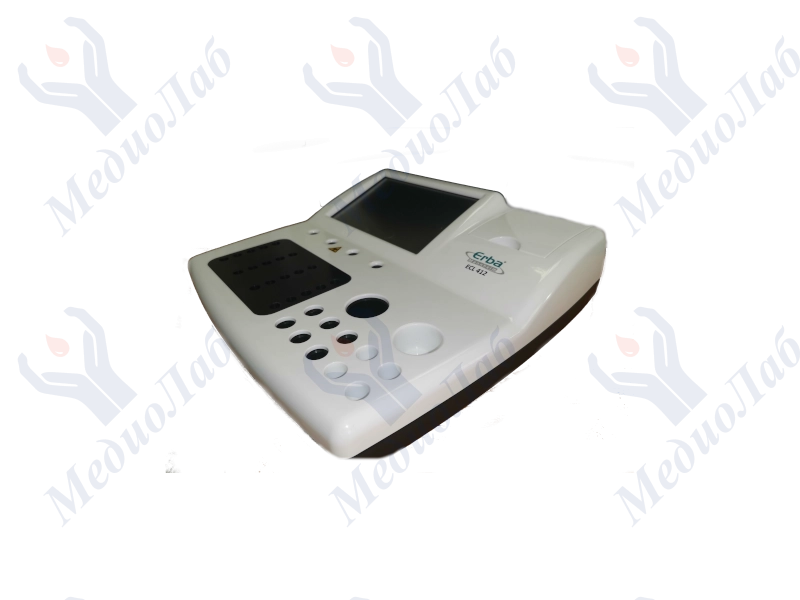
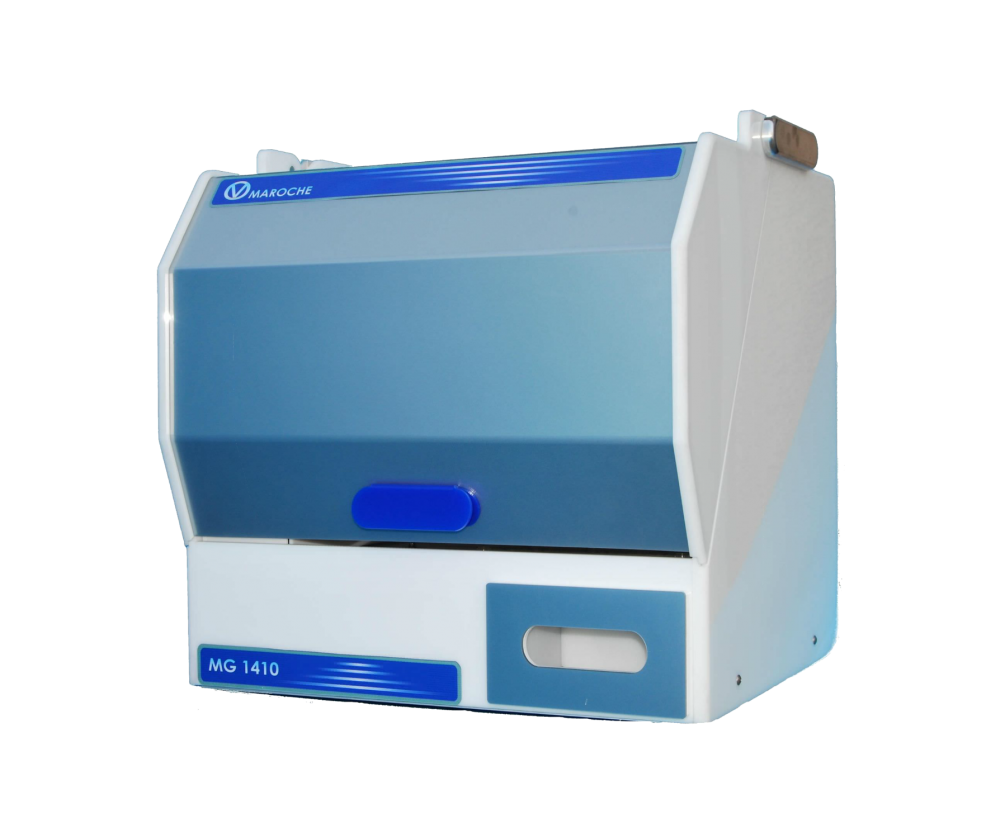
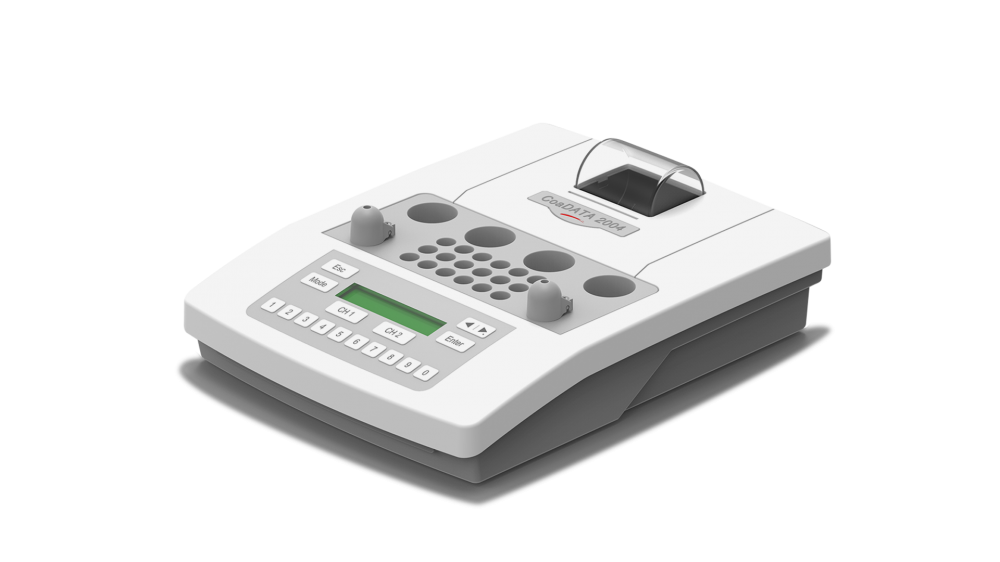
Сoagulometer (hemostasis analyzer) is a device used to analyze blood clotting. It is available in semi-automatic and automatic models. By determining indicators that other types of laboratory tests cannot detect, it ensures the accuracy of the analysis results.
The hemostasis analyzer allows you to perform four types of tests. These include:
fibrinogen test (time of fibrin clot formation in a patient's sample);
thrombin test (rate of fibrinogen conversion to fibrin, functional activity of fibrinogen and thrombin inhibitors in plasma);
APTT test (assessment of the presence and determination of the level of coagulation factors, anticoagulants and inhibitors in the blood);
prothrombin test (period and quality of blood clotting when various reagents are added to it).
In modern medicine, it has replaced visual analysis. The latter was conducted using a stopwatch and a bath and was inaccurate. In some cases, an incorrect diagnosis was made. In some cases, the risk of blood clots or hemorrhagic bleeding increased.
New models of coagulometers ensure the accuracy of the tests. Unlike manual diagnostics, they use mechanical and optical-mechanical detection methods for blood analysis.
Automated hemostasis analyzers are used in medical facilities with a high patient flow. Firstly, because they allow for rapid biomaterial testing. Secondly, because, compared to semi-automated devices, they demonstrate higher performance (throughput).
Semi-automated hemostasis analyzers are located in mobile diagnostic centers and small laboratories. They allow laboratory testing using the clotting method – based on the detection of a fibrin clot in plasma or whole blood. Compact in size and easy to use, such coagulometers provide the ability to obtain informative data on the components of a biospecimen with a small sample volume (50 - 200 µl).
Applications of the coagulometer
The device is used in diagnostic tests in various fields of medicine. In hematology, the electronic device is used to identify pathologies of the anticoagulant system. In cardiology, it determines the level of blood clotting in patients undergoing treatment for heart disease.
This medical device is used to assess the health of patients taking anticoagulants. In maternity hospitals, it is used to determine hemostasis parameters in pregnant women and women in labor. In surgery, the coagulometer is used to monitor the dynamics of transfusion treatment. In hepatology – treatment of liver cirrhosis and hepatitis.
When is a hemostasis test performed?
It is prescribed to identify pathologies in the patient's anticoagulant system. A referral for this test is mandatory for patients preparing for elective surgery. Laboratory testing of hemostasis using a coagulometer makes it possible to assess the risk of hemorrhage and blood clot formation during surgery.
Other indications for hemostasis analysis include:
liver dysfunction;
injuries accompanied by bleeding;
spontaneous abortion;
cardiac ischemia, pre-infarction and infarction;
thrombosis, predisposition to blood clot formation;
long-term treatment with one type of medication.
It is also performed for hemorrhagic pathologies and anemia. This analysis is part of a complex of examinations if the patient complains of heavy periods and nosebleeds. It is carried out when neoplasms are detected in a urine or stool sample.
Preparation and performance of the test
Before submitting biomaterial for diagnostics, it is recommended to adhere to a 10-12 hour fasting diet. 2-3 days before the blood clotting test, you should avoid fatty, spicy foods, and canned foods. Only still water is allowed to drink. Other types of beverages and alcohol are not allowed.
30 minutes before the procedure, you must stop smoking and calm down. Any physical and emotional stress is excluded! If the patient has undergone a course of therapeutic therapy with anticoagulants, it is necessary to inform the specialist. The duration of therapy and dosage are important. If you experience nausea, dizziness, or a worsening of your health during the sample collection process, it is recommended to immediately notify your healthcare provider.
Hemostasis testing is performed using a coagulometer. First, a specialist collects venous or capillary blood from the patient. The volume of biological material is 25-200 µL. The standard volume is 50 µL. The biological sample is then placed into an electronic device. After a short time, the results are displayed on the monitor, which are compared by the laboratory technician with the established norms of a particular indicator.
Hemostasis norms
The analysis data is assessed in accordance with the standards of a particular diagnostic center or laboratory.
The norm for the international normalized ratio (INR) is 0.82–1.18.
The prothrombin index (PTI) should be equal to 72–123%.
Activated partial The thromboplastin time (APTT) should not exceed 14–21, 76–126% is the norm for antithrombin.
The fibrinogen norm should be 2.7–4 g. RFMC should dissolve at 0.36–0.48, and the D-dimer indicator should be within 250–550.
How to choose a hemostasis analyzer?
Before purchasing a coagulometer, it is necessary to study its technical characteristics in detail. In particular, the number of parameters available for determination. It's important to remember that hemostasis analyzers rely on various diagnostic and clot detection methods (optical-mechanical, optical, and mechanical). Laboratory technicians at modern medical institutions prefer electronic devices of the first type.
An important characteristic of a coagulometer is its power. According to it, all hemostasis analyzers are divided into:
WHO strongly recommends purchasing coagulometers with 2 and 4 channels (in order to prevent inaccuracies during laboratory testing). Also, when ordering the device, it is necessary to take into account the number of compartments for biological material and reagents. Important: Modern devices have the ability to transmit data to the medical facility's laboratory information network (LIN).
Advantages of a coagulometer
The device ensures 100% reliability of laboratory test results. The tests performed on it require small volumes of consumable biomaterial. Other advantages of a coagulometer include cost-effectiveness of manipulation (minimum costs for reagents). The medical device is characterized by the convenient display of results on the monitor screen. It has the ability to print diagnostic data on a printer and send them to the medical facility network.
Testing with a coagulometer minimizes the risk of error. The device is turned on/off automatically. Thus, diagnostics are performed with minimal participation of a laboratory technician. The medical device is easy to use and does not require complex maintenance. Its features include the ability to conduct research using chromogenic and clotting methods.
All modern hemostasis analyzers are equipped with built-in scanners. These are used to read barcodes and identify patient biological samples. Coagulometers monitor the temperature of biosamples and reagents. To facilitate the specialist's work, they display instructions on the monitor, enabling the laboratory technician to accurately conduct research and obtain highly accurate hemostasis results in a relatively short time.